Maude Charles Collins
Plain, economical, practical. She asks questions instead of explaining theories. Under pressure, her sentences get simpler.
Core: “What do we actually know?”Inside the Visara Studio
Visara begins with original sources, geography, people, clothing, and the physical limits of the historical world. The work shown here comes directly from development material used to understand the people and places behind the novels.
01 · Research the History
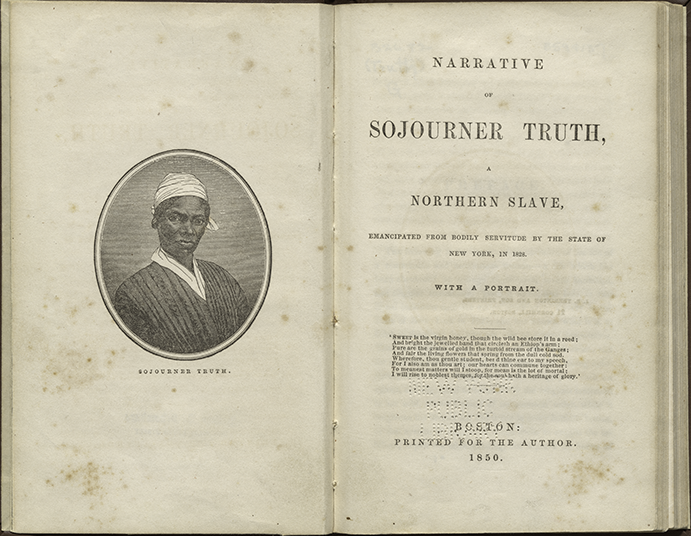
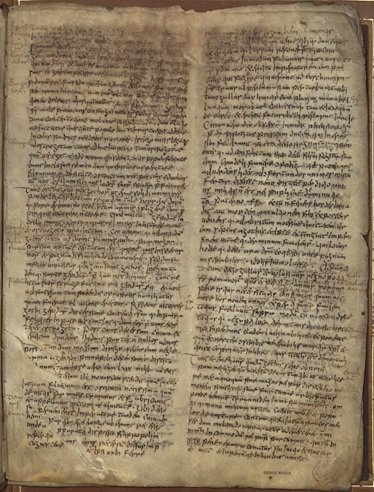
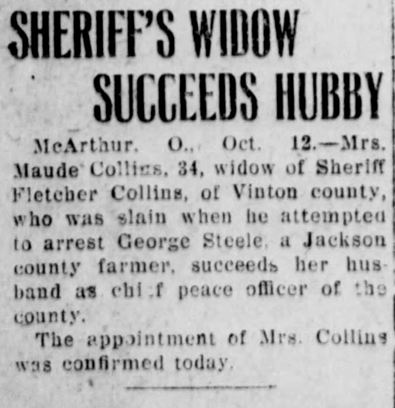
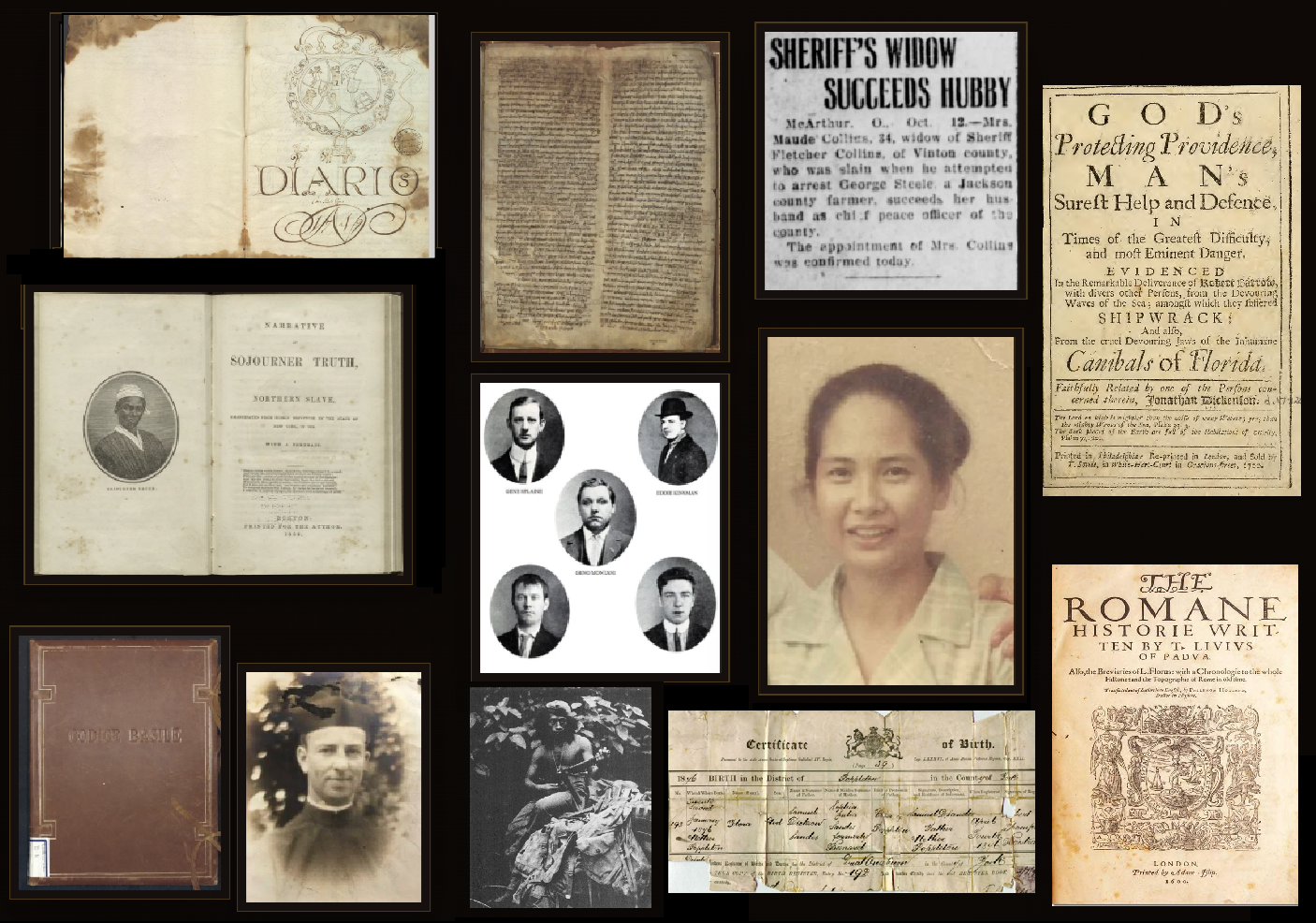
All Visara novels begin with research—then more research—often original sources. That can mean translating an ancient document from Latin, reading a subject’s autobiography, scanning historic newspapers, or searching for photographs and surviving images. The objective is not simply to collect facts. It is to know the people well enough to rebuild a world around them
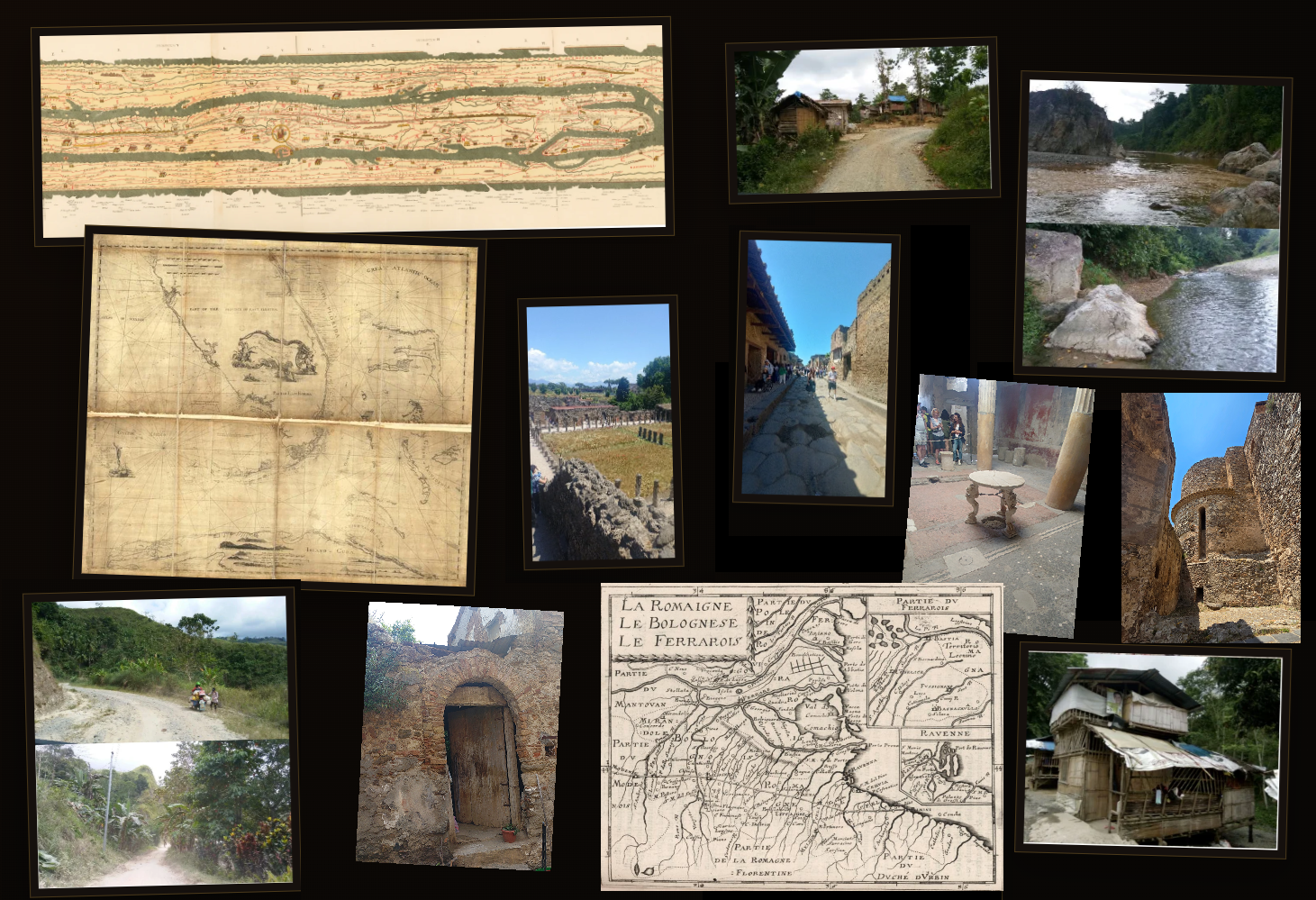
02 · Map Geography and Travel
We study the geography our characters lived in and the travel limits of their period: dirt road or stone Roman road, mountain grade, river crossing, walking pace, horse travel, train, or automobile. In some cases the research includes visiting the actual locations, walking the roads, crossing the rivers, and looking at the landscape from the same ground they viewed it from.
03 · Reconstruct People
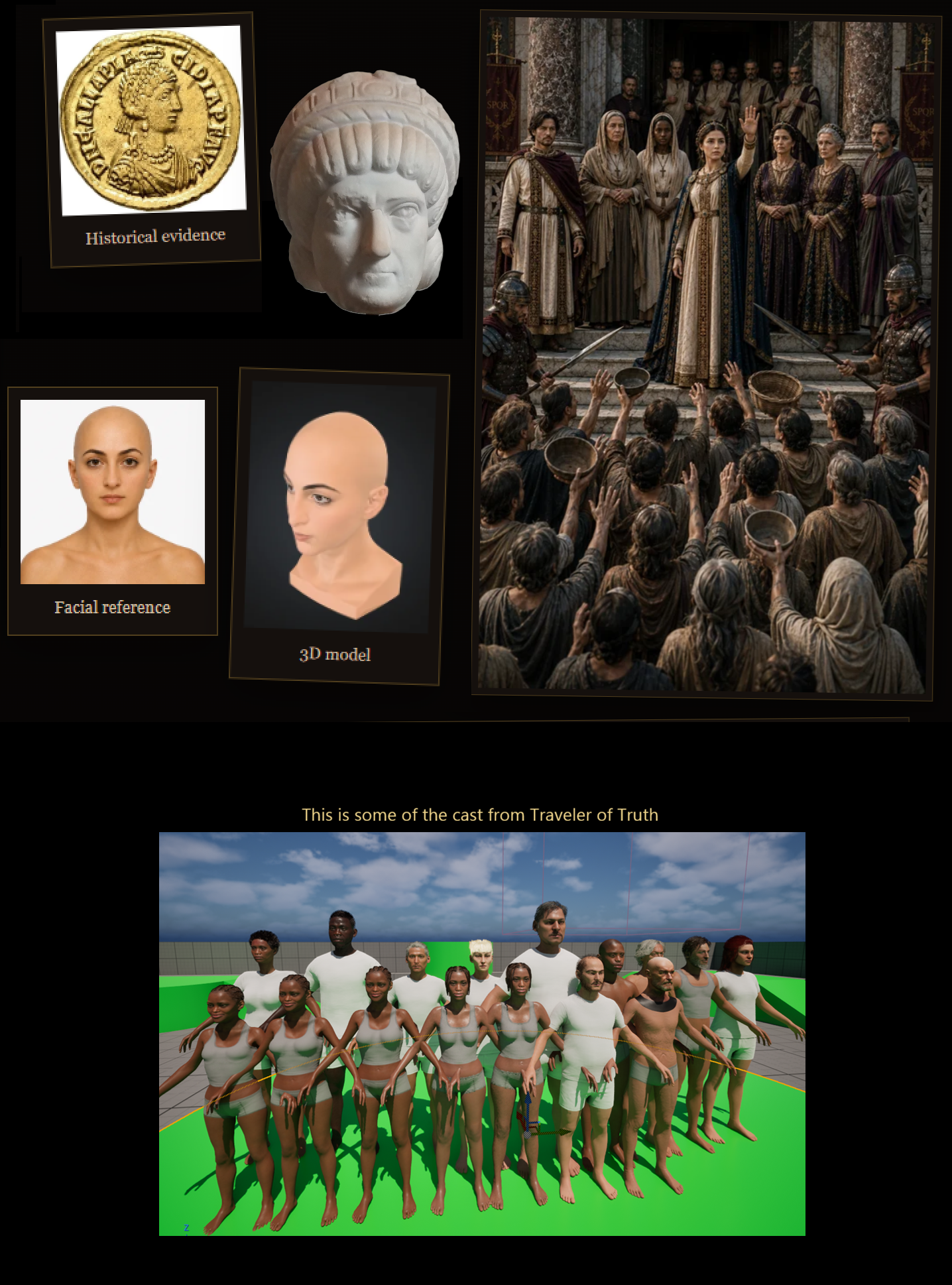
For figures such as Galla Placidia, there are no portraits to work from. Surviving coins and limited sculpture become starting evidence. But we must adjust for different ages throughout the novel. She starts off at age 17 in the novels. Visara develops a visual reference from that evidence, then creates the reference into a 3D head. We then place the character into test environments to study scale, presence, costume, and scene composition.
04 · Develop Clothing/Material Culture
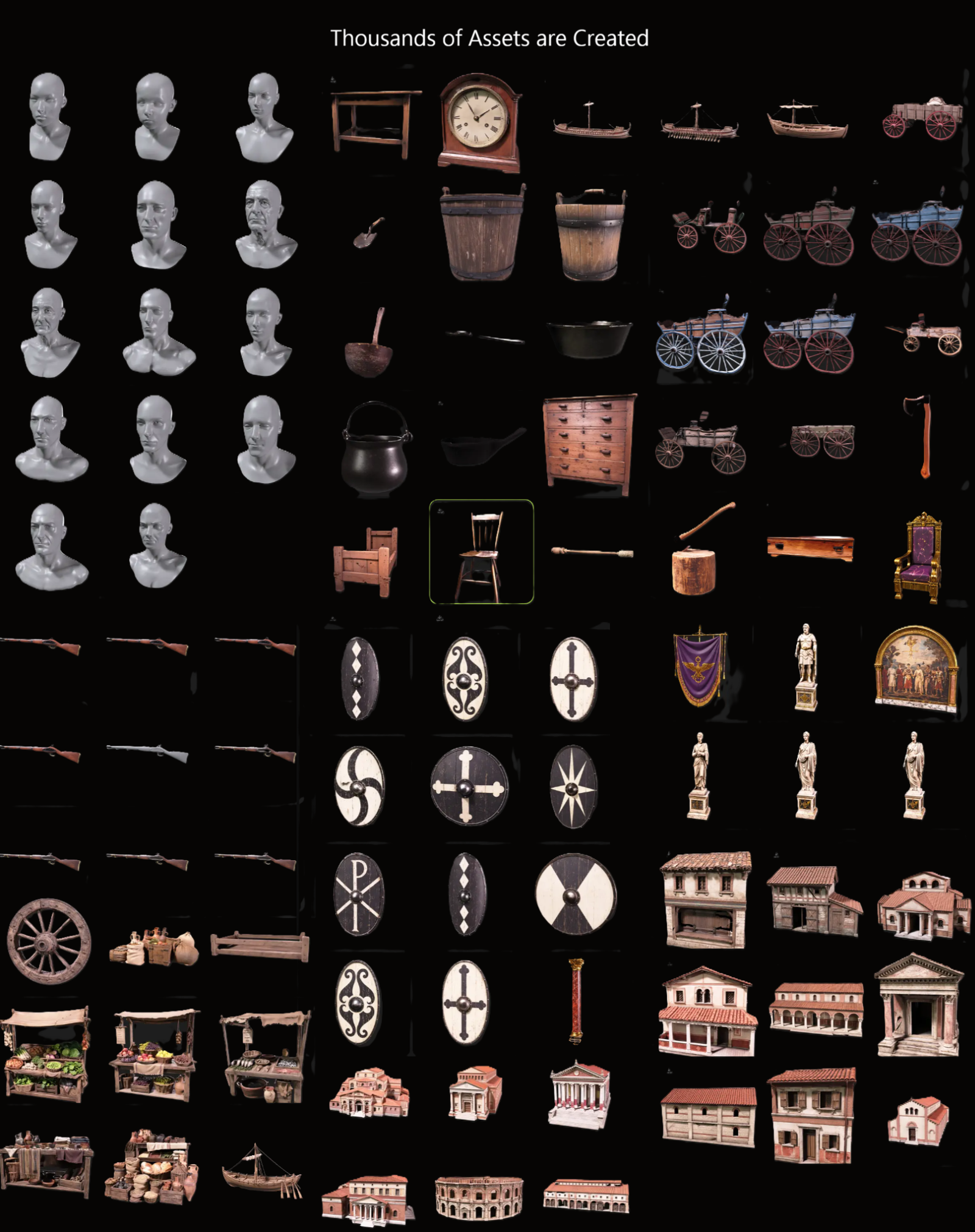
Costume development begins with period-appropriate forms and the materials that would have been available. Clothing is then translated into character assets so the visualized person can move through a scene with a consistent historical identity. The objective is authenticity before decoration. Individual clothing assets are created for star characters extras and supporting characters are fitted with period clothing. 3D assets are also created for characters to use across different scenes.
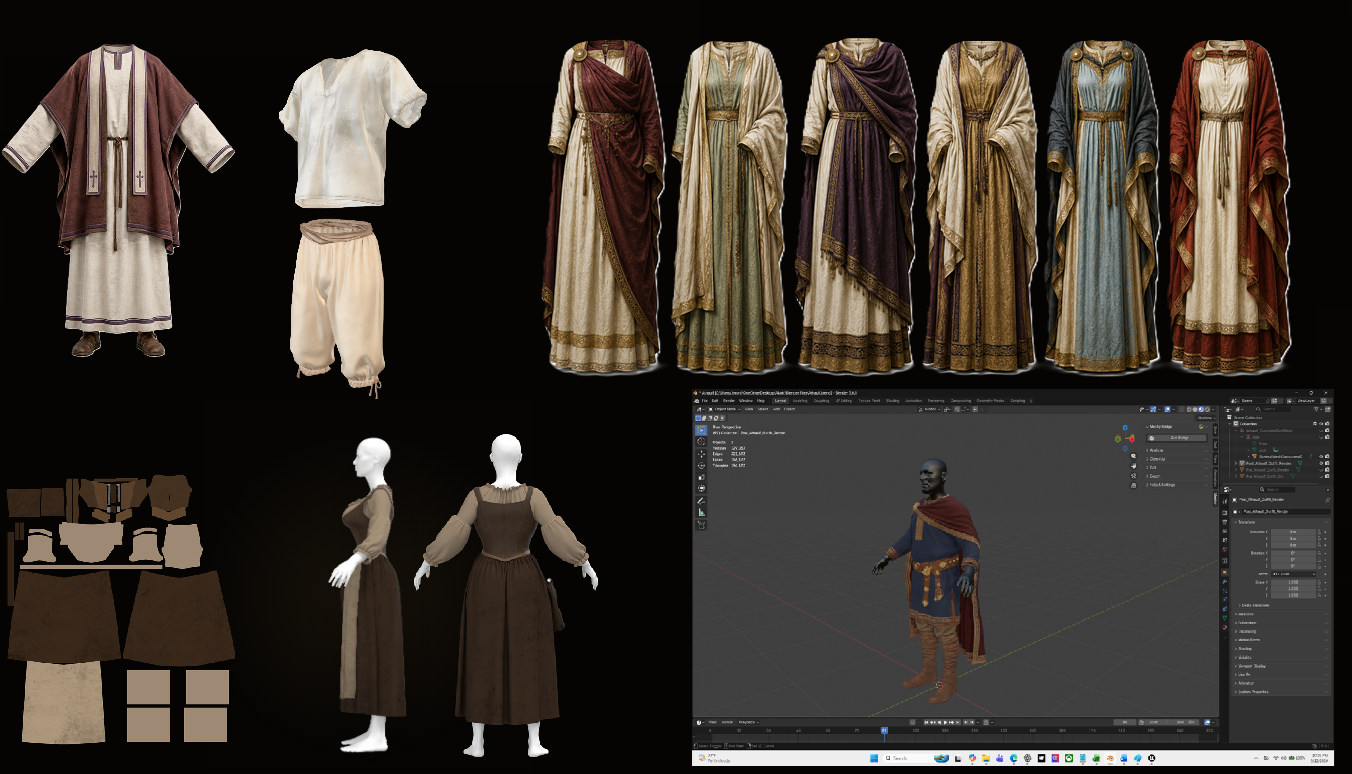
Here is Mrs. Schyver coming to life, sporting her new outfit.
Play The Video
06 · Develop Story Architecture
Before drafting begins, Visara builds a working character and dialogue map, then a story spine. The goal is to understand who the people are, how they speak, what they avoid, and how each chapter moves the novel forward. The architecture gives the author a tested structure without turning the story into something rigid.
Character & Dialogue Map
Each major character receives a practical voice guide: background, conversational habits, boundaries, and a core verbal instinct.
Plain, economical, practical. She asks questions instead of explaining theories. Under pressure, her sentences get simpler.
Core: “What do we actually know?”Straightforward, relaxed authority. More openly humorous than Maude and comfortable using shorthand with her.
Core: Decide what needs doing and do it.Workmanlike and direct. Strong on roads, people, procedure, and physical logistics. Comfortable disagreeing with Maude.
Core: “What can we check?”Serious for his age, but unmistakably a child. He increasingly challenges the line between Maude as sheriff and Maude as mother.
Core: “Why won’t you tell me?”Practical and administrative. They think in terms of vacancy, jail, warrants, continuity, and county responsibility.
Domestic and practical. Familiar enough with the family that ordinary household life never turns into exposition.
24-Chapter Story Spine
The chapter spine is not a script. It is a working map of function, escalation, cost, and payoff.
Maude demonstrates ability → Fletcher dies → badge offered.
Authority creates resistance, danger, and family cost.
Henry / mine / ledger / Clyde Trent case. Imperfect evidence, historical secrets, and consequences despite reasonable decisions.
Sarah Stout → William disappears → staged evidence → shoes → well → confession / reconstruction → public recognition.
Opening Movement
Establish family, jail, workplace, and Maude’s investigative instinct.
Prohibition work, compassion, and the collision of sheriff work with household life.
Conflicting witnesses, physical evidence, routes, and the rule that suspicious behavior is not guilt.
Fletcher is killed. Maude preserves witness information in catastrophic personal loss.
Funeral, widowhood, five children, unfinished office—and the badge placed on the desk.
Then the Author Goes to Work
With the dialogue map, story spine, visual references, locations, clothing, and other assets available, the author can build scenes and test ideas against the world already created. The architecture is a working framework—not something etched in stone.
07 · Create the Manuscript
Once the research, people, places, story architecture, and visual world are in place, the manuscript begins. Visara does not force every author into the same working method. Different writers reach finished books in different ways.
The Grinder
One author will put their nose to the grind stone and punch out a couple thousand words a day. They treat writing like a shift at the mill: sit down, open the document, and push forward whether the inspiration is hot, cold, or nonexistent.
Their strength is consistency. The pages stack up because they refuse to let a day pass without adding something to the pile. It’s a blue-collar approach to creativity—steady, disciplined, almost stubborn—and it gets books finished simply because the author keeps showing up.
The Storm Writer
Another will write in storms. Days go by with barely a paragraph, and then suddenly something catches fire—a scene, a line, a feeling—and they pour out five or ten thousand words in a single sitting.
They write until their hands ache from typing on keyboard and the room feels too small, riding the surge until it burns itself out. Their process is chaotic but electric. Entire chapters appear in one breath, born from momentum rather than routine. They don’t chase inspiration; they wait for it to ambush them, and when it does, they sprint.
The Sculptor
A third will move like a sculptor. They don’t chase word counts or lightning storms; they sit with a sentence until it feels carved, shaped, and true. Maybe they write a hundred words, maybe fifty, maybe none at all—but whatever survives the day is polished enough to stay.
Their progress is slow, almost meditative, but their first draft is already half-finished because they refuse to leave rough edges behind. Where the grinder builds through discipline and the storm-writer builds through momentum, the sculptor builds through precision, trusting that a book made of carefully chosen lines will outlast one made in haste.
08 · Emotional & Editorial Refinement / Beta Readers / Continuity and Publication Checks
Once the manuscript exists, Visara turns from creation to testing. We read for emotion, bring in beta readers, track continuity across the entire novel, and then perform the final publication checks that prepare the book for release.
Read for Emotion
Not skim them, not glance at a few chapters, but read them the way a real reader would. We ask how the story makes us feel. Where does it hit hard? Where does it falter? What are its strongest moments, and where does it lose momentum?
We are not producing history books or documentaries; we are shaping emotional experiences. When Belle is sold away as a slave, how did she feel? Did the author translate that pain, fear, and confusion into words that reach the reader? Did the scene land with the weight it deserves?
Emotional truth matters more to us than technical perfection.
Beta Readers
Yes, we perform grammar, punctuation, and spelling checks—but those are not the heart of the process. Our real focus is immersion. Does the reader become engrossed in the novel? Do they forget the world around them and fall into the story?
Next, we hire beta readers who genuinely enjoy reading and are willing to give honest, detailed feedback. We want to know if they cried when the character cried, felt anger when the antagonist struck, and cheered when justice finally arrived.
Beta readers help us measure emotional impact, pacing, clarity, and resonance.
Continuity Check
We use software to track objects, locations, and character actions throughout the entire novel. If Molina drops her bracelet when she enters the river and cannot find it, that bracelet should not magically reappear five chapters later on her wrist.
Every object is checked. Every movement is tracked. Continuity errors break immersion, and we eliminate them before the book ever reaches a reader’s hands.
Publication Check
Finally, everything comes together. We verify spacing, page margins, font styles, chapter breaks, and layout consistency. We ensure the book looks professional, clean, and ready for print or digital release.
These are the standard pre-publication checks, but they matter—because presentation is part of the reading experience, too.
The Standard
If the writing is flawless but emotionally flat, it fails our standard. We want novels that breathe, novels that pull the reader forward, and novels that make them care.